Semen Freezing
What Is Semen Freezing?
Sperm freezing, also called semen cryopreservation, is the process of collecting, analyzing, and preserving semen at very low temperatures for future use in fertility treatments. This procedure helps men safeguard fertility for medical treatments, assisted reproduction, or donation purposes.
Semen freezing is recommended before IVF procedures, prior to chemotherapy or radiotherapy, or when sperm count is low. Using liquid nitrogen and advanced storage techniques, sperm can remain viable for several years, providing flexibility and preserving reproductive potential.
How Is Semen Freezing Done?
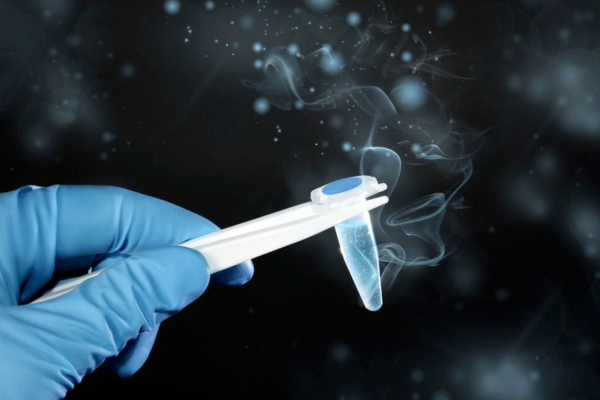
Collected semen is first examined under a high-definition microscope to assess quality, motility, and count. It is then prepared with cryoprotectants to prevent ice crystal formation and preserved using liquid nitrogen in specialized storage tanks.
Frozen sperm can be safely stored for several years and thawed when required for IVF, IUI, or other assisted reproductive procedures.
● FAQs
Your Semen Freezing questions,
clearly Answered Here
Find expert answers to the most common concerns about semen freezing—covering procedure, safety, and storage duration.
+91-254-882-963
info@drsamidhashukla.com