Egg Donation
What Is Egg Donation?
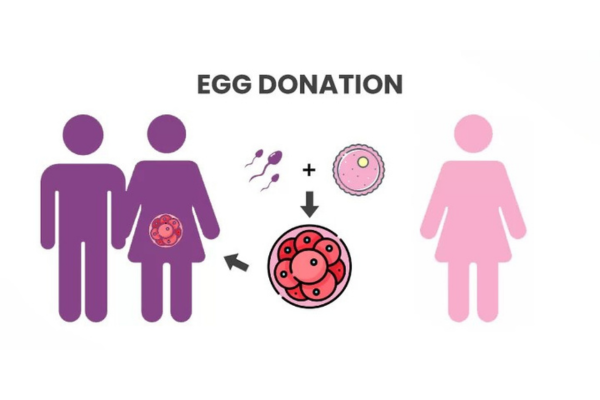
Egg donation is a process where a woman donates her eggs to help another woman conceive through assisted reproduction. It provides hope for women who cannot become mothers due to egg-related issues. Awareness about egg donation is limited, and many women face confusion regarding legal and ethical aspects. With proper knowledge, women can make informed decisions about becoming egg donors or recipients.
Who Can Donate Eggs?
Women between 21–35 years of age, who are physically and emotionally healthy, with regular menstrual cycles, free of hereditary or genetic diseases, and non-smokers, are usually considered eligible for egg donation. Donors are carefully screened to ensure safety and success for both donor and recipient, and legal guidelines ensure confidentiality and ethical standards are maintained.
● FAQs
Your Egg Donation questions,
clearly Answered Here
Quick answers to common concerns about egg donation, donor eligibility, and the process involved.
+91-254-882-963
info@drsamidhashukla.com