Blastocyst Transfer
What Is Blastocyst?
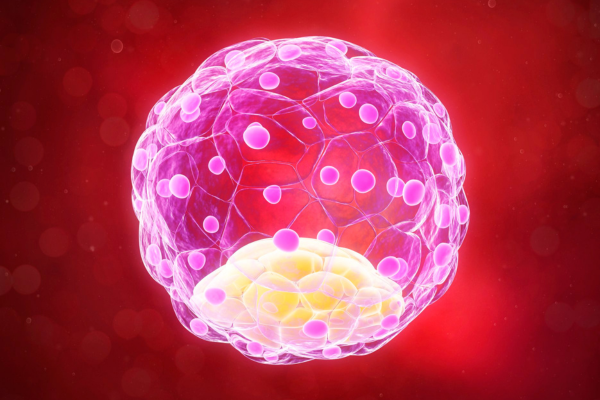
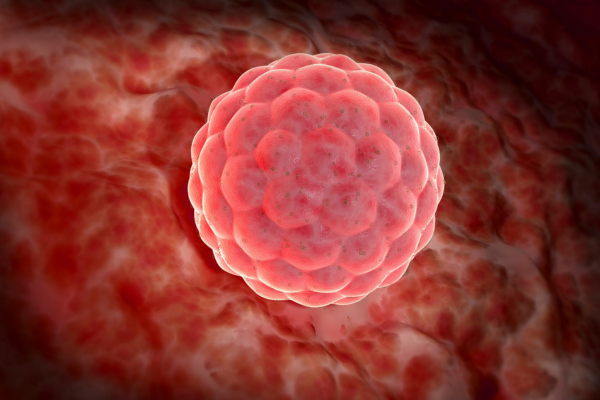
A blastocyst is an embryo that develops around 5–6 days after fertilization. It consists of a hollow ball of cells preparing for implantation in the uterus. This stage improves embryo-endometrium synchrony and increases the chances of successful pregnancy.
Blastocyst transfer is preferred in IVF cycles because it allows selection of the healthiest embryos. By waiting until day 5, embryologists can better predict which embryos have the highest potential to implant successfully. This approach can reduce the risk of multiple pregnancies and improve overall success rates.
What Is Blastocyst Transfer?
Blastocyst transfer is an IVF procedure where embryos are cultured to the blastocyst stage (day 5–6) before being placed into the uterus. This method mimics natural conception and enhances the likelihood of successful implantation. Timing, embryo quality, and uterine readiness are key factors that contribute to its success.
Things to Consider Before Blastocyst Transfer
- Embryo Quality: Only the healthiest embryos are cultured to day 5–6 for transfer.
- Endometrial Preparation: Ensuring the uterine lining is receptive for implantation.
- Timing of Transfer: Proper synchronization of embryo development and uterine receptivity.
- Patient Health & Lifestyle: Optimizing nutrition, stress management, and overall health.
- Frozen vs Fresh Transfer: Decision based on embryo quality, uterine conditions, and clinic protocol.
● FAQs
Your fertility evaluation questions,
clearly Answered Here
Find clear, trusted answers to the most common questions about blastocyst and blastocyst transfer—helping you understand the process and make informed decisions.
+91-254-882-963
info@drsamidhashukla.com