Oocyte Freezing
What Is Oocyte Freezing?
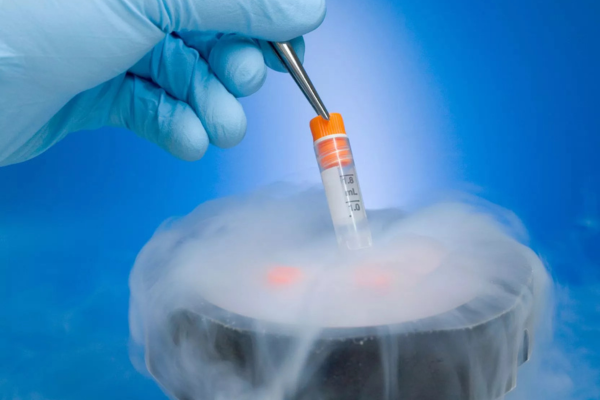
Oocyte (egg) freezing is a process where eggs are extracted, frozen, and stored using liquid nitrogen to preserve reproductive potential. It is now an established, safe procedure with thousands of healthy babies born worldwide using frozen eggs. Importantly, research shows that it does not increase the risk of complications.
Egg freezing is ideal for young women who want to focus on their careers, delay pregnancy, or preserve fertility for medical reasons such as chemotherapy, radiotherapy, or ovarian surgeries. It is also an option for women at risk of premature ovarian failure or with severe ovarian disease.
How Long Can Eggs Be Frozen?
Eggs can be stored safely for up to 10 years or more without harmful effects. Studies show no increase in birth defects in children conceived from frozen eggs.
The freezing process, called cryopreservation, involves ovarian stimulation, egg retrieval, and rapid cooling of mature eggs with liquid nitrogen. Most clinics use the vitrification method, which ensures higher survival rates after thawing.
● FAQs
Your Oocyte Freezing questions,
clearly Answered Here
Get answers to the most common questions about egg freezing, fertility preservation, and success rates.
+91-254-882-963
info@drsamidhashukla.com